
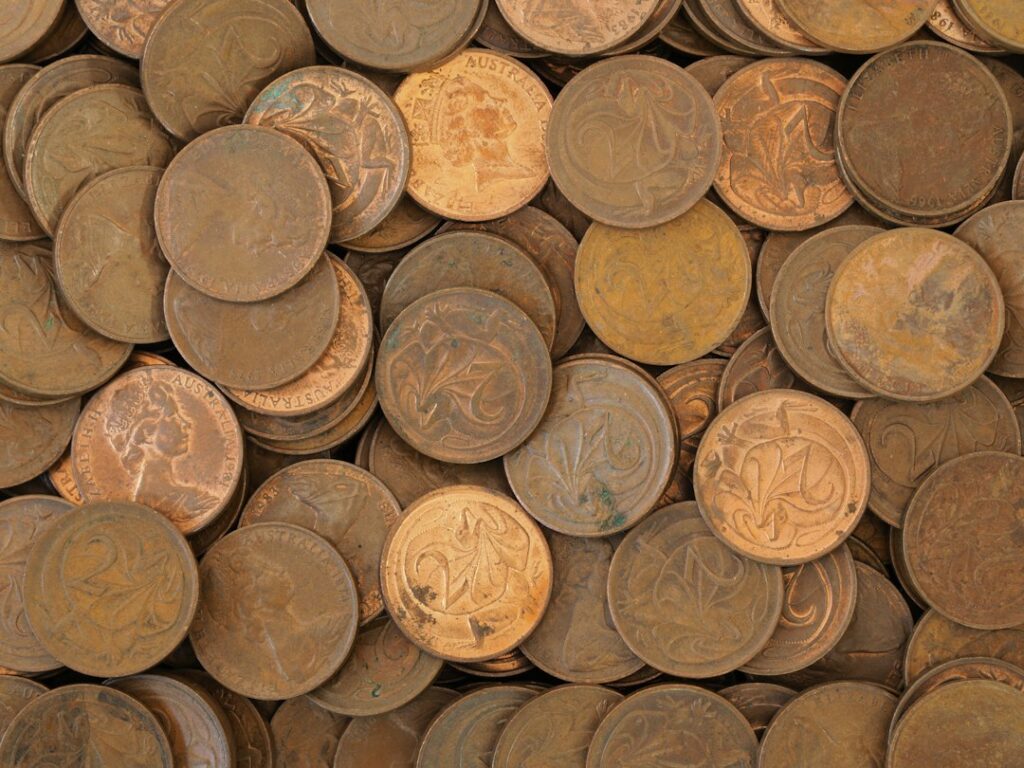
Collectibles and antiques often carry more value than a standard homeowners or renters policy is designed to cover. Their worth may come from rarity, age, condition, history, craftsmanship, or market demand, and those factors are not always reflected in ordinary personal-property limits.
For households in Humboldt, TN, the right approach usually begins with identifying what is owned, documenting its value, and understanding how the policy treats special property.
Does standard home insurance cover antiques and collectibles?
Standard homeowners or renters insurance may cover antiques and collectibles for certain covered losses, such as fire, theft, wind damage, or vandalism. However, coverage may be subject to special limits, deductibles, exclusions, valuation rules, or a maximum amount for an entire category of property.
A policy may also pay actual cash value rather than the amount needed to replace a rare item. Actual cash value generally considers depreciation, while replacement cost coverage is designed to pay the cost of replacing covered property with similar property, subject to the policy terms.
The key question is not simply whether the item is listed as personal property. The more important questions are:
- Is the item covered for the type of loss that occurred?
- Is there a special dollar limit?
- Is the item valued at market value, agreed value, replacement cost, or actual cash value?
- Does the policy cover accidental breakage or only named causes of loss?
- Is a separate deductible applied?
A collection may be insured in a general sense but still be significantly underinsured.
Which items may need special coverage?
Special attention is often appropriate for property such as:
- Antique furniture
- Paintings, prints, and sculptures
- Rare books and manuscripts
- Coins, stamps, and paper money
- Sports cards and memorabilia
- Vintage toys and dolls
- Firearms and historical equipment
- Musical instruments
- Heirloom jewelry
- Handmade quilts and fine textiles
- Signed or limited-edition items
- Historical documents and family archives
The age of an item alone does not determine whether special coverage is needed. A newer collectible with a strong resale market may be more valuable than an older household furnishing.
Items kept in a detached garage, attic, storage area, or outbuilding may also need careful review. Temperature changes, humidity, roof leaks, insects, and accidental damage can create risks that are different from those affecting property kept inside a climate-controlled room.
What is a scheduled item or endorsement?
A scheduled item is a valuable possession specifically described on the policy, often with an individual value attached to it. This is commonly done through an endorsement, sometimes called a rider or scheduled personal-property endorsement.
Scheduling may provide broader protection than the basic policy. Depending on the wording, it may address risks such as accidental breakage, mysterious disappearance, or loss outside the home. It may also avoid some of the lower category limits found in a standard policy.
The terms vary widely. Some endorsements require an appraisal, while others may accept a bill of sale, professional valuation, auction record, or other documentation. The policy may also require updated valuations at regular intervals.
Scheduling is not automatically the right choice for every collection. A large group of lower-value items may be handled differently from one rare painting or an individual antique worth several thousand dollars.
How should an antique or collectible be valued?
The insurance value should be based on the type of protection being purchased, not simply on sentimental importance or the original purchase price.
Useful valuation records may include:
- A written appraisal
- Purchase receipts or auction records
- Recent sales of comparable items
- Authentication documents
- Manufacturer or artist information
- Serial numbers, signatures, markings, and inscriptions
- Restoration records
- Condition reports
- Documentation showing provenance or ownership history
An appraisal for insurance purposes may differ from an appraisal prepared for estate planning, resale, taxation, or donation. The purpose should be clearly stated so the value is appropriate for the insurance decision.
Values can change. Market demand for furniture, coins, artwork, collectibles, and memorabilia may rise or fall over time. A collection inherited years ago may be worth considerably more—or less—than the family originally believed.
What documentation should be kept?
A detailed home inventory can make a claim easier to organize and may help establish ownership, condition, and value. Photograph each item from several angles, including identifying marks and areas of damage or wear that existed before coverage began.

For a collection, record:
- Item name and description
- Purchase date and price, if known
- Current estimated value
- Appraisal date
- Serial number or identifying mark
- Condition
- Location in the home
- Storage method
- Receipts, certificates, and related records
Keep copies of records in a secure location away from the collection itself. Digital records should be backed up, and important documents should not exist only on a phone or computer that could be destroyed in the same event.
A room-by-room video can also help show how items were stored before a loss. Update the inventory after buying, selling, inheriting, restoring, or revaluing property.
Are flood, storm, and humidity damage covered?
A standard homeowners policy generally does not cover flood damage. This matters for valuable possessions stored in lower levels, garages, or areas that could be affected by heavy rainfall, drainage problems, or rising water.
Flood insurance may also treat antiques, artwork, collectibles, and similar property differently from ordinary household contents. Some policies limit payment to functional value rather than rarity or market value. That distinction can be significant for a valuable antique that has little practical use but substantial historical or collector value.
Wind, hail, tornado, fire, and water damage from a covered plumbing problem may be treated differently under a homeowners policy. Coverage depends on the source of the damage, the policy language, maintenance issues, and exclusions.
Humidity and gradual deterioration are also common concerns. Insurance generally is not a substitute for proper storage, climate control, pest prevention, roof maintenance, or protection from avoidable moisture.
What happens if an item is damaged or stolen?
After a loss, avoid discarding damaged property before it has been documented unless it creates a health or safety hazard. Take photographs, preserve receipts and appraisals, and make a list of damaged or missing items.
For antiques and collectibles, repair may affect value even when the item can be restored. A repaired piece may not have the same market value as one that remains in original condition. The policy may address repair, restoration, depreciation, or loss of value differently, so the wording should be reviewed before authorizing significant work.
If theft is involved, a police report and proof of ownership may be required. Items without receipts can still sometimes be documented through photographs, family records, prior appraisals, correspondence, or testimony, but establishing value may be more difficult.
What should Humboldt households review each year?
Seasonal weather, power interruptions, roof leaks, and storage conditions can affect valuable property even when no claim occurs. An annual review is a practical time to check:
- Whether newly acquired items were added
- Whether appraisals are outdated
- Whether collection limits remain adequate
- Whether storage locations have changed
- Whether flood exclusions affect where items are kept
- Whether security features or safes are accurately described
- Whether a home renovation changed the property’s value or use
Renters should review their policies as well. The building may be insured by the property owner, but antiques and collectibles owned by the tenant are generally the tenant’s responsibility.
The safest assumption is that an ordinary personal-property limit may not fully protect a rare, valuable, or irreplaceable item. Clear documentation, appropriate valuation, and a careful review of exclusions can reveal coverage gaps before a loss occurs.
